This section covers air filters, indoor humidity and whole-house dehumidifiers. It also covers ventilation, wildfire smoke, duct cleaning and air quality testing.
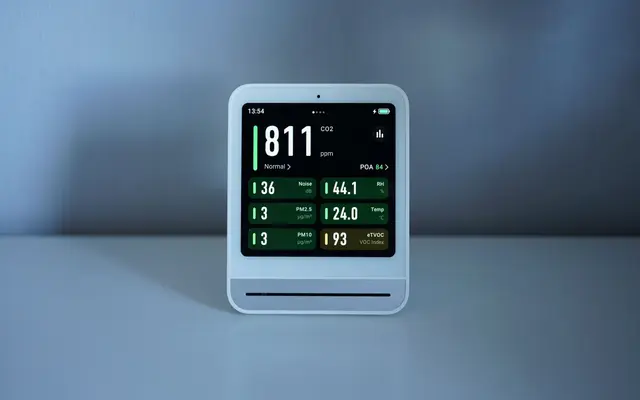
A MERV rating shows how well an air filter captures particles between 0.3 and 10 microns, according to EPA, as the MERV ratings guide explains. If you upgrade, EPA says to choose at least MERV 13, or as high as your system fan and filter slot can handle. EPA says to keep indoor humidity below 60% if possible, per the indoor humidity guide. Ideally, EPA says, it should stay between 30% and 50%.
EPA has advice for HVAC systems with a fresh-air intake during wildfire smoke. It says to set the system to recirculate or close the outdoor intake damper. With central HVAC, EPA suggests a MERV 13 or higher filter. Its 2019 smoke guide cautions that the system must be able to handle the added airflow resistance.
EPA's duct-cleaning guidance is dated October 1997 and is still on its website. It says ducts should be cleaned only as needed, not routinely. EPA's Citizen's Guide to Radon says testing is the only way to know your radon risk.