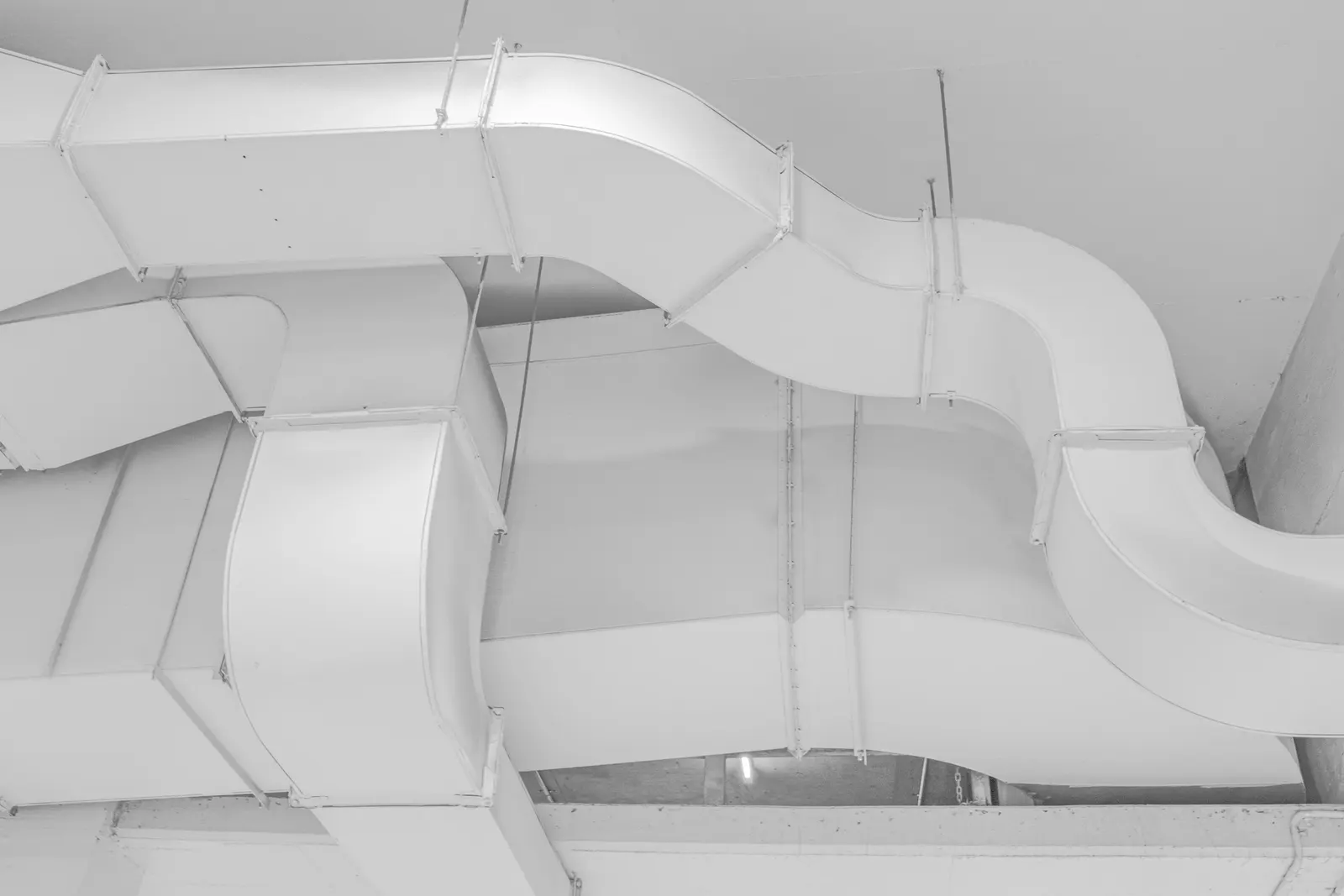
We looked for a price to replace or seal ducts. We found none from the U.S. Department of Energy (DOE), the U.S. Energy Information Administration (EIA), ENERGY STAR or DOE's Building America program. We did not check every utility page in our five markets. This guide shares what those sources do say about the cost of leaky ducts and the value of sealing them. It also explains how DOE handles ductwork in its equipment cost models. It has no federal modeling figure or 2026 quote for ductwork.
Is there a federal price for duct replacement?
We found none. DOE's 2023 furnace rule says its basic installation costs include "furnace set-up and transportation, gas piping, ductwork, electrical hook-up, permit and removal/disposal fees." The rule does not give ductwork its own line item. The rule also says, "DOE's installation costs account for cases where significant ductwork redesign is required, including when furnaces with variable-speed motors are utilizing undersized ducts." We found no separate dollar figure for ductwork in the rule text.
We also opened an April 2026 ResStock measure document on duct sealing and insulation. It came from the National Laboratory of the Rockies, and it had no cost figure. The Northwest Power and Conservation Council's Regional Technical Forum has a duct sealing measure with cost inputs. Those inputs are in a spreadsheet workbook, and we did not open it. Duct cleaning is a separate service, and this guide does not cover its cost. Our duct cleaning guide covers that service.
How much air and energy leaky ducts lose
The sources describe duct losses in different ways. Some give a share of air, and some give a share of energy. Only DOE's 2022 guide puts the loss in dollars, and it gives no exact figure.
| Source | What it says | Dollar figure given |
|---|---|---|
| ENERGY STAR, Duct Sealing (undated) | About 20 to 30 percent of air moving through ducts in a typical house is lost | None |
| ENERGY STAR, Benefits of Duct Sealing (undated) | Leaky ducts can reduce system efficiency by as much as 20 percent | None |
| BASC, Ductless Mini-Split Heat Pumps | Duct losses can exceed 30% of heating and cooling energy when ducts are in an unconditioned area | None |
| DOE Energy Saver Guide (2022) | Leaky ducts in an attic or crawl space can add to heating and cooling bills | "Hundreds of dollars a year," no exact figure |
| DOE furnace rule (December 18, 2023) | Installation costs account for significant ductwork redesign | No separate ductwork line item found |
Sources: ENERGY STAR, DOE and DOE's Building America Solution Center (BASC). None gives a price to replace or seal ducts.
ENERGY STAR's duct sealing page says, "In a typical house ... about 20 to 30 percent of the air that moves through the duct system is lost due to leaks, holes, and poorly connected ducts." Its benefits page says, "Leaky ducts can reduce heating and cooling system efficiency by as much as 20 percent."
DOE's Building America Solution Center gives another figure. It says losses "can account for more than 30% of heating and cooling energy consumption if ducts are located in an unconditioned area." The BASC figure is a share of energy. ENERGY STAR's 20 to 30 percent is a share of air.
DOE's 2022 Energy Saver Guide says, "Ducts that leak air into an attic or crawl space can add hundreds of dollars a year to your heating and cooling bills." DOE gives no exact number, and we have not turned that wording into one.
What federal sources say about sealing ducts
ENERGY STAR says, "Sealing and insulating ducts increases efficiency, lowers your energy bills, and can often pay for itself in energy savings." It gives no payback period or dollar figure. It also has advice for anyone installing new equipment. It says "a well-designed and sealed duct system may allow you to downsize to a smaller, less costly heating and cooling system that will provide better dehumidification."
DOE's 2022 guide says, "Insulating and sealing ducts in unconditioned spaces is usually very cost effective." It also says, "All duct sealing should be tested by a qualified professional to ensure combustion safety and proper air flow."
On materials, ENERGY STAR says to start "by sealing air leaks using mastic sealant or metal tape" and to insulate "all the ducts that you can access (such as those in attics, crawlspaces, unfinished basements, and garages)." It warns, "Never use duct tape, as it is not long-lasting."
Repairing, replacing and insulating ducts
BASC's retrofit guide on injected spray sealant covers whether to repair or replace ducts. It says, "Replace damaged ducts or sections of ducts where it is more cost effective to replace than repair and air seal." It gives no dollar threshold. The guide's rules for contractors also say, "New duct insulation shall be R-8."
Do new AC or furnace installs need new ducts?
DOE's 2017 rule for central air conditioners and heat pumps addresses whether ducts need changes. It says "air flow volume does not change with efficiency, so duct size does not need to change for the same tonnage unit even if the indoor coil size is bigger."
For furnaces, DOE's 2023 rule says, "DOE recognizes that potential ductwork modifications typically occur due to the furnace fan requirements and not necessarily due to the installation of a condensing furnace." Our furnace cost guide shows DOE's furnace installation figures. Our AC replacement cost guide shows DOE's AC figures.
If you are weighing a system without ducts, see our guides to mini-split costs and ductless mini-splits. Our repair cost guide covers maintenance and repair figures.
For an overview of all our cost guides, see what federal sources say about HVAC replacement costs.