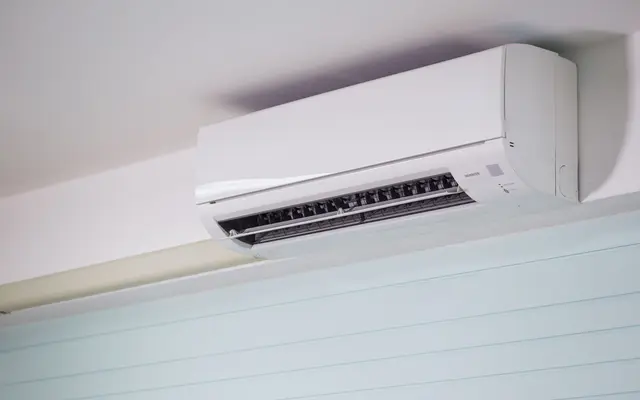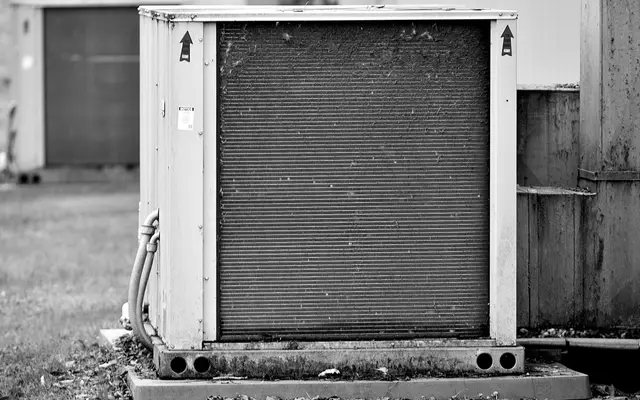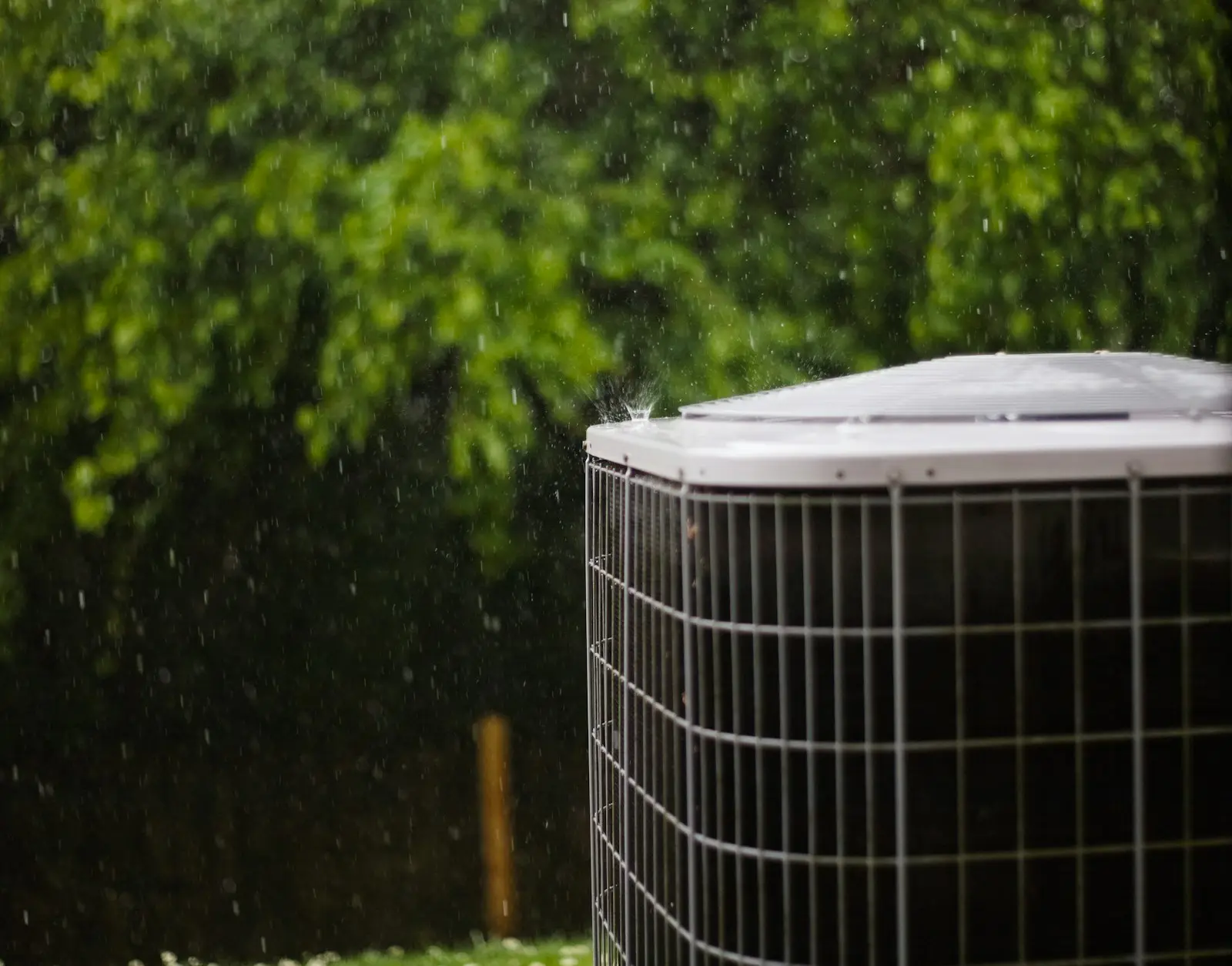
This section covers central air conditioners, ductless mini-splits and evaporative coolers. It also covers how long an AC lasts, basic troubleshooting and thermostat settings.
Federal rules cover split central ACs under 45,000 Btu/hr made on or after January 1, 2023. These units need at least 13.4 SEER2, as the central air guide explains. The same rule sets 14.3 SEER2 for those installed in the Southeast and Southwest on or after January 1, 2023. The U.S. Department of Energy (DOE) modeled a national average central AC lifetime of 21.2 years in its 2017 efficiency rule. The figure comes from a model and is not a measurement of real homes. ENERGY STAR lists an AC more than 10 years old as a reason to consider replacing it.
In Phoenix's dry heat, an evaporative cooler works well and can use about one-fourth as much energy as central air conditioning. But it loses much of its cooling power during the monsoon. If your AC is not cooling, one maker's owner's manual suggests checking the thermostat, disconnect switches, breakers and airflow before you call for service. The U.S. Environmental Protection Agency (EPA) says Section 608 certification is required to recharge appliances. For that reason, refrigerant work belongs to a certified technician.
DOE's 2022 Energy Saver Guide says you can save as much as 10% a year on heating and cooling, as the thermostat settings guide explains. The figure assumes you turn the thermostat down 7–10°F for 8 hours a day in fall and winter. If you have a heat pump, DOE says not to use a setback without a smart or programmable thermostat designed for heat pumps.